

Sofa collection costs and pitfalls in Notting Hill
Posted on 02/06/2026
If you are trying to clear an old sofa in Notting Hill, the job can look simple at first glance. Then the reality kicks in: tight stairwells, controlled parking, awkward timings, and quotes that do not always mean what you think they mean. Sofa collection costs and pitfalls in Notting Hill are rarely just about lifting a heavy item out of a flat. They are about access, speed, disposal method, and making sure you do not end up paying more than you expected. This guide walks through the real-world costs, the most common traps, and the smartest ways to handle collection without unnecessary stress.
It also matters because Notting Hill homes are often a mix of period conversions, basement flats, mansion blocks, and compact upper floors. That changes everything. A collection that seems straightforward online can quickly become a slow, expensive, and mildly irritating little saga. Truth be told, a sofa is never just a sofa on removal day.
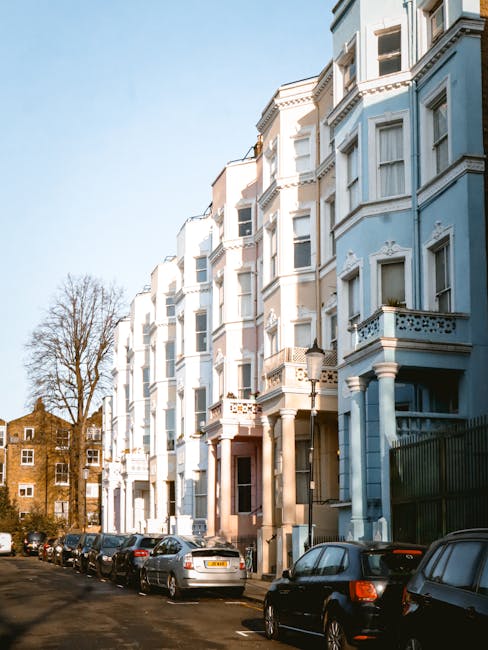
Why Sofa collection costs and pitfalls in Notting Hill Matters
In a neighbourhood like Notting Hill, furniture disposal is shaped by the building as much as by the item itself. Many properties have narrow hallways, split-level entries, limited kerb space, and residents who are understandably protective of communal areas. That means sofa removal is often more sensitive than people expect.
The cost side matters too. A sofa collection quote may look reasonable until you factor in the extras: carrying distance, heavy-lift requirements, parking challenges, out-of-hours access, or the need to dismantle the item. If you are comparing services, the headline price is only part of the picture. The real question is: what is included, and what is quietly left out?
There is also a local timing issue. In busy streets around Portobello Road, Westbourne Grove, or the residential roads off Ladbroke Grove, you may have a small window to get the job done. Miss it, and suddenly you are juggling concierge rules, neighbours, and a sofa blocking the lobby. Not ideal.
For many people, the safest route is to treat sofa disposal as a small project rather than a quick errand. That mindset alone helps you avoid rushed bookings, poor access planning, and those frustrating surprise charges nobody likes. If you are also dealing with other items, it can make sense to look at broader support such as furniture disposal in Notting Hill or even a wider waste clearance service where several bulky pieces need to go at once.
How Sofa collection costs and pitfalls in Notting Hill Works
Most sofa collections follow a simple sequence: you request a quote, describe the item, agree a time slot, and the team collects and disposes of it. The tricky bit is that the true cost depends on details people often forget to mention. A three-seat sofa on the ground floor is a very different job from a sectional that needs to be carried down two tight flights of stairs and past a parked car that is somehow always in the way.
Typical pricing factors include:
- Size and weight of the sofa
- Access conditions such as stairs, lifts, or narrow corridors
- Distance from the property to the vehicle
- Number of items being removed
- Urgency or same-day collection requests
- Need for dismantling before removal
- Parking and loading constraints in the local area
In practice, the cheapest quote is not always the cheapest outcome. A low initial price can turn into a more expensive visit if the collector arrives and discovers the sofa does not fit through the doorway in one piece. Or the lift is out of action. Or there is no convenient loading point. You get the idea.
This is where a clear description helps. Measure the sofa length, width, and height. Check if it splits into sections. Take a photo of the item and the route out of the property. It takes five minutes and saves a lot of back-and-forth. Sometimes more than five minutes, if you have to measure around a coffee table, but still worth it.
If your sofa is part of a larger clear-out, it may be more economical to combine the job with services such as house clearance in Notting Hill or loft clearance, especially if the same visit can handle cushions, side tables, or old mattresses. That kind of bundling often reduces the per-item hassle, even if the total bill is higher than a single sofa pickup.
Key Benefits and Practical Advantages
When handled properly, sofa collection is one of the easiest ways to clear space quickly and safely. The benefits are practical rather than glamorous, but very real.
- Less disruption at home - A prompt pickup prevents a bulky sofa from dominating a hallway or spare room.
- Reduced injury risk - Sofa moving is awkward. One bad turn on the stairs, and you can strain a back or damage a wall.
- Cleaner disposal route - A professional collection can help you avoid questionable shortcuts and fly-tipping trouble.
- Better time management - You avoid the headache of hiring a van, finding helpers, and negotiating parking.
- More suitable for busy streets - In places where loading space is scarce, a planned collection is often much less chaotic.
There is also a mental benefit people underestimate. Once a bulky sofa is gone, the room suddenly feels bigger, brighter, and a bit calmer. You notice the light coming through the window again. Sounds silly, maybe, but it genuinely changes how a room feels.
For landlords, letting agents, and homeowners preparing for sale or refurbishment, the benefits are even clearer. A tidy, uncluttered property looks more usable. That can be especially relevant in the local market, where presentation matters. If you are looking at the bigger picture, the broader context in the Notting Hill property market helps explain why quick, clean clearance often pays off.
Who This Is For and When It Makes Sense
Sofa collection in Notting Hill makes sense for a wide range of people, and the reasons are usually more practical than sentimental.
Homeowners replacing furniture
If you are upgrading to a new sofa, you need the old one out before delivery day. Simple enough in theory, but the new sofa often arrives with a narrow time slot, so timing matters. A collection booked too late can leave you with two sofas and one living room. Not the dream.
Renters moving out
Tenants often need to clear a sofa quickly to meet move-out deadlines or protect a deposit. This is where choosing a reliable, transparent collection service matters most. A missed slot can create last-minute panic, and nobody wants to be carrying cushions down stairs at 9pm.
Landlords and managing agents
When a tenant leaves bulky furniture behind, the priority is usually speed, access control, and a clean handover. In those cases, a focused collection or a wider clearance visit may be the most efficient route.
Interior designers and staging teams
Design projects often involve removing an existing sofa before showing a new layout. If the property is in a compact Notting Hill terrace or apartment, access planning becomes just as important as the design itself.
People clearing inherited or long-unused furniture
Sometimes the sofa has been there for years. Maybe it is in a basement room, maybe it has become the unofficial home of spare blankets and old magazines. In those cases, the task is less about moving furniture and more about finally dealing with clutter that has been quietly sitting there for ages.
If you are also clearing boxes, storage items, or awkward extras, it may be worth looking into house clearance support or, for properties with top-floor storage, loft clearance help. The right option depends on the volume, not just the sofa.
Step-by-Step Guidance
Here is a clean way to approach sofa collection without getting caught out.
- Assess the sofa and access route. Measure the sofa and check door widths, stair corners, lift size, and entry points. If the sofa has removable feet or modular sections, note that too.
- Take clear photos. A few images of the sofa and the route out help prevent misunderstandings. Good lighting helps. Morning light is usually best; evening shadows are less helpful, to say the least.
- Ask what the quote includes. Confirm whether labour, dismantling, parking, loading, and disposal are included. If a quote sounds unusually low, ask what could change the price.
- Choose a realistic time slot. Avoid bookings when access is likely to be difficult. School run hours, busy weekend loading periods, and building management restrictions can all slow things down.
- Prepare the area. Move small items, rugs, and fragile objects out of the way. Clear a path to the door. This is one of those boring tasks that saves ten times the effort later.
- Check the provider's disposal approach. Ask how the sofa will be handled after collection. Responsible disposal is not something to assume blindly.
- Be present, if possible. Being there during collection makes it easier to answer questions if access turns out to be tighter than expected.
- Get confirmation in writing. A written quote or booking confirmation helps if there is any disagreement about the price or scope later on.
If the sofa is part of a bigger clear-out, a broader service can be more efficient than booking item by item. You may want to compare options on the services overview and check pricing and quotes carefully before deciding.
Expert Tips for Better Results
There are a few small things that make a big difference, and they are easy to miss if you are rushing.
- Measure twice, not once. Stair turns and corridor bends can defeat even a modest sofa. A tape measure is your friend.
- Ask about dismantling early. Some sofas come apart neatly. Others resist all logic and require patience, tools, and a calm temper.
- Plan around parking pressure. In Notting Hill, parking can be the real bottleneck. If access is tight, mention that before the job is booked.
- Bundle items where possible. If you are also removing chairs, broken shelving, or old units, one visit may be more efficient than several separate ones.
- Choose clarity over optimism. It is better to describe a difficult access route honestly than hope it will "probably be fine". That is how costs creep in.
One useful habit is to keep a simple note on your phone with dimensions, photos, floor level, and access details. It sounds a bit over the top, but when you need a quote quickly, having everything in one place makes life easier. No drama, no forgotten measurements.
For readers who care about waste reduction and reuse, the local recycling and disposal angle is worth checking too. A provider with a clear sustainability approach is often the better long-term choice, so it may help to review recycling and sustainability information alongside the collection plan.

Common Mistakes to Avoid
This is where most sofa collection problems begin. The good news? They are avoidable.
- Booking on price alone. Cheapest is not always best if the quote excludes labour or access issues.
- Not mentioning stairs or lifts. This is probably the most common oversight. And it matters a lot.
- Assuming same-day pickup is always available. It might be, but busy local schedules can make it tricky.
- Leaving the item until the last minute. If you are moving out, a delayed booking can create a stressful bottleneck.
- Forgetting building rules. Some blocks have service lift rules, move-out windows, or concierge requirements.
- Trying to force the sofa through tight spaces. That is how walls get marked and furniture gets damaged.
- Ignoring disposal legitimacy. You should be comfortable with where the sofa goes next and how it is handled.
A related mistake is not checking the full scope of a removal visit. If the sofa is heavy, broken, or sitting in a communal area, the collection may need more planning than expected. A few extra minutes of preparation can save a lot of hassle. Honestly, it usually does.
If you are tempted to leave the sofa out for a "quick pickup" somewhere inconvenient, think twice. The local risk of improper disposal is not worth it. It is far safer to use a legitimate route and avoid the mess altogether. For more on that, the guide on avoiding flytipping fines in Notting Hill is a useful read.
Tools, Resources and Recommendations
You do not need a lot of equipment, just a few sensible tools and a bit of planning.
- Measuring tape - to confirm sofa dimensions and route widths.
- Phone camera - for photos of the sofa, stairwell, hallway, or loading point.
- Simple floor-plan notes - even a rough sketch can help if access is unusual.
- Protective gloves - useful if you are moving small items before collection.
- Blankets or door protectors - helpful when moving furniture through tight interiors.
In terms of service choice, it is sensible to compare collection against broader removal options if you have more than one bulky item. If the sofa is part of a flat clear-out, you may find a local service pattern described in flat clearance tips near Notting Hill especially useful.
There are also neighborhood-specific considerations. Busy roads near shopping streets can make loading more complicated, while quieter residential lanes may be easier but still require careful timing. If you are near Portobello Road or Westbourne Grove, it can be wise to think ahead about traffic flow and loading access. Small detail, big impact.
And if your sofa is just one of several items hanging around after a declutter, you may want to look at related local support such as rubbish collection in Notting Hill or a bulky waste guide for Westbourne Grove. The broader context can help you choose the neatest route.
Law, Compliance, Standards, or Best Practice
For sofa collection, the most important compliance point is simple: use a legitimate disposal route and avoid anything that could lead to fly-tipping or unsafe handling. In the UK, anyone who removes waste should operate responsibly, and customers should be comfortable that the item is being taken away properly.
From a practical standpoint, best practice means:
- choosing a provider that explains what happens to collected items
- making sure the collection is carried out safely
- keeping clear records of the booking and confirmation
- avoiding handovers to anyone who cannot clearly explain their process
- not leaving bulky furniture in shared spaces or on the street without the right arrangements
There is also a duty of care mindset here, even if people do not use that phrase in everyday conversation. You want to know the sofa is handled responsibly, that the collection is safe for residents and staff, and that the job does not create a nuisance for neighbours. Pretty sensible really.
If you want extra reassurance about how a provider operates, it can help to review pages that explain business practices and trust signals, such as insurance and safety, payment and security, and about us. Those pages do not replace a proper quote, of course, but they do help you judge whether the company feels dependable.
Options, Methods, or Comparison Table
There are several ways to deal with a sofa in Notting Hill. The right choice depends on time, access, condition of the item, and how much else needs removing.
| Option | Best for | Typical upside | Main pitfall |
|---|---|---|---|
| Single sofa collection | One bulky item, clear access | Simple and targeted | Can become costly if access is awkward |
| Furniture disposal visit | Sofa plus a few extra items | Better value per trip | Needs clearer item list up front |
| Full house clearance | Multiple rooms or end-of-tenancy jobs | Efficient for larger volumes | May be more than you need for one item |
| Rubbish collection | Mixed waste and bulky bits | Flexible for several types of waste | Not always ideal for just one sofa |
| Storage or loft clearance | Sofa stored away for a while | Good when the item is part of a wider clear-out | May require extra access planning |
For a single sofa, a dedicated collection is often the most efficient. For two or more items, a broader service can sometimes be the better call. The right answer changes with the layout of the property, and that is especially true in older Notting Hill buildings where "straightforward access" is often a polite fiction.
Case Study or Real-World Example
Here is a realistic example based on the kind of job that comes up often.
A resident in a first-floor Notting Hill flat wanted to remove a three-seat sofa before new flooring was fitted. At first, the sofa looked manageable. But once the moving day approached, they noticed the hallway turned sharply near the front door, and the communal entrance had a narrow frame. The sofa also had fixed arms, so it could not just be rotated at will.
Instead of booking blindly, they measured the furniture, sent photos, and asked for a quote that included the access challenge. They also checked whether the sofa could be dismantled. That changed the job from a rushed collection into a planned removal, with a clear time slot and no surprise add-ons.
The useful bit? Because they prepared properly, the collection was quick on the day. The team did not have to guess, the building was respected, and the flooring work could start on time. No heroic effort, no near-miss with the stair banister, no awkward "we should have checked that earlier" moment. Just a tidy result.
That is the lesson, really. Most sofa collection pitfalls are not dramatic. They are small oversights stacked together.
Practical Checklist
Use this before you book sofa collection in Notting Hill:
- Measure the sofa carefully, including height, width, depth, and any removable parts
- Check doorways, corridors, lifts, stair corners, and entry points
- Take photos of the sofa and the access route
- List every item you want removed, not just the sofa
- Ask what the quote includes and what could trigger extra charges
- Confirm the collection window and any building access rules
- Make sure parking or loading is feasible on the day
- Clear the route and protect nearby surfaces if needed
- Keep the booking confirmation and price in writing
- Check that the disposal approach is responsible and legitimate
Expert summary: the safest sofa collection is usually the one with the most accurate information. If the provider knows the size, access, timing, and disposal needs upfront, the job is smoother, quicker, and far less likely to pick up hidden costs.
Conclusion
Sofa collection costs and pitfalls in Notting Hill come down to one simple truth: the furniture is only half the story. The other half is access, timing, parking, and whether the quote you receive actually matches the job on the day. If you plan carefully, the process is straightforward. If you rush it, the whole thing can become oddly expensive for something that was meant to be out of the way.
The best approach is calm and practical. Measure properly, describe the access honestly, compare the quote carefully, and choose a disposal route that feels clear and responsible. That is how you avoid the awkward bits and keep the move or refresh on track.
If you are sorting out a sofa alongside other bulky items, or you simply want the simplest route with fewer headaches, now is the right moment to compare your options and make the job easier on yourself.
Get a free quote today and see how much you can save.

 Tipper Van - Rubbish Removal and Waste Removal Prices in Notting Hill, W10
 Luton Van - Rubbish Removal and Waste Removal Prices in Notting Hill, W10

