

Get an instant quote for Notting Hill shop clearance
Posted on 15/08/2026
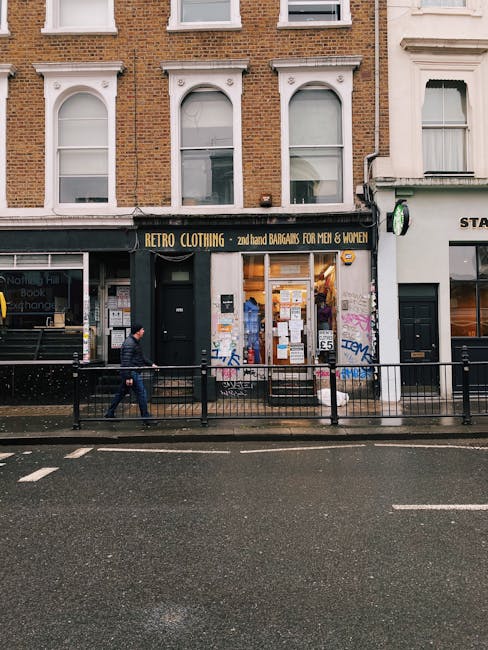
If you need to clear a shop quickly, the last thing you want is a long back-and-forth before you even know the cost. Whether you are closing a unit, refreshing a retail space, or dealing with a sudden end-of-lease handover, get an instant quote for Notting Hill shop clearance can be the fastest way to move from "we need this done" to "right, let's schedule it."
In practice, a good instant quote should feel simple, accurate enough to trust, and detailed enough to avoid awkward surprises on the day. That matters even more in Notting Hill, where access can be tight, parking can be fiddly, and shopfronts often sit in busy, high-footfall streets. This guide explains how instant quoting works, what affects the price, how to compare options properly, and how to avoid the usual traps. A bit of clarity goes a long way here.
Why Get an instant quote for Notting Hill shop clearance Matters
Shop clearance is rarely just "take the stuff away." It can include shelving, display units, mannequins, till counters, stockroom waste, packaging, broken furniture, signage, and sometimes mixed materials that need separating before disposal. The quote is where all of that starts to make sense. Without it, you are guessing. And guessing with commercial clearance is how budgets drift.
For a Notting Hill business, timing can be especially sensitive. You might be working to a lease deadline, fitting around deliveries, or trying to clear the space before a new tenant or fit-out team arrives. An instant quote helps you make a quick decision, but it also gives you a benchmark. That benchmark matters when you are comparing providers, because not every quote includes labour, access issues, or disposal handling in the same way. Some look cheaper at first glance. Then the extras creep in. You know how that goes.
There is also a practical local angle. Shops near busy roads, parade frontages, or narrow side streets often need a more considered plan than a generic "van and man" approach. If access is awkward, the clearance team may need more time, more labour, or a different vehicle setup. A proper instant quote should account for that early, not after everyone is already standing outside the premises with their arms folded.
For readers comparing broader service options, it can help to review the wider services overview and the separate guidance on pricing and quotes so you understand how the cost structure is usually presented.
How Get an instant quote for Notting Hill shop clearance Works
Most instant quote systems follow the same basic logic: you provide details about the premises, the items to be removed, the access conditions, and the preferred timescale. A quote is then produced straight away or very quickly after a short review. That quote may be indicative, fixed, or subject to confirmation if the job includes unusual items or access complications.
Usually, the process starts with a few essentials:
- The shop size or approximate volume of waste
- The type of items being cleared
- Whether the clearance is full or partial
- Access details such as stairs, loading space, or restrictions
- Your preferred date and urgency
- Any items that may need special handling, such as electricals or mixed waste
Once that information is shared, a good provider will estimate labour, transport, disposal, and any special handling requirements. In some cases, they may ask for photos. That is not just bureaucracy. It is often the quickest way to avoid a wildly inaccurate quote, especially if the shop is packed with stock-room leftovers, shop fittings, or heavy items that look harmless until someone tries to move them.
If you are dealing with stock, fixtures, or fitting waste after a renovation, it is worth looking at related guidance such as builders waste disposal in Notting Hill because shop clearances and fit-out waste often overlap in real life. A till area full of MDF offcuts and packaging is still a clearance job, but it may behave more like light construction waste than ordinary rubbish.
Some business owners also want reassurance that the process is safe and properly managed. That is fair enough. Before committing, check the company's approach to insurance and safety. It is one of those boring pages that becomes suddenly exciting if a heavy cabinet scrapes a wall or a lift is involved.
Key Benefits and Practical Advantages
The biggest benefit is speed, but that is only part of the story. An instant quote does more than save time. It helps you move from uncertainty to action, which is often what business owners need most.
- Faster decision-making: You can compare options without waiting around for callbacks.
- Better budgeting: You get a realistic idea of spend before booking.
- Less disruption: A clear plan means less time with the shop half-cleared and unusable.
- Improved coordination: Useful when coordinating with landlords, contractors, or outgoing staff.
- Reduced stress: A proper quote removes much of the guesswork, which is honestly half the battle.
There is also a subtle operational benefit. When you are comparing providers, you begin to see how they think. The better ones ask about access, materials, and timing rather than just giving you a shiny number. That tells you a lot. A quote is not only a price; it is a glimpse of the service behind the price.
For businesses that want to understand clearance in a broader context, the page on waste clearance in Notting Hill is a useful starting point, while office clearance in Notting Hill can help if your shop includes back-office furniture, filing, or a hybrid retail-office layout.
And for merchants dealing with old stock, display stands, or surplus furnishings, furniture disposal in Notting Hill is often directly relevant because a surprising amount of shop clearance is basically "commercial furniture plus everything else."
Who This Is For and When It Makes Sense
This service makes sense for a wide mix of people, not just shop owners closing down permanently. In fact, some of the most common users are businesses that simply need a quick reset.
- Independent retailers changing layout or clearing old fixtures
- Shop tenants preparing for lease end or surrender
- Landlords needing a vacant unit cleared quickly
- Fit-out teams with leftover materials and packaging
- Pop-up shops and short-term retail operators
- Owners dealing with stockroom clutter after a seasonal change
It also makes sense if the job is urgent. Maybe the lease handover is tomorrow. Maybe you have a tight window between two contractors. Maybe the shop has been left with a mixture of sale rails, cardboard, broken chairs, and a heavy counter that absolutely nobody wants to deal with. That sort of thing happens more often than people admit.
If your situation involves a sudden closure or the need to recover a unit quickly after trading stops, the article on emergency rubbish clearance after tenancy in W11 can be useful for understanding how urgent removals are usually handled.
Not every job needs same-day action, though. Sometimes a next-day booking is enough, and that extra breathing space lets you sort stock, isolate anything reusable, and take one last look around before the van arrives. A little calm before the chaos, if you like.
Step-by-Step Guidance
If you want the quote to be accurate and the collection to go smoothly, the best thing you can do is prepare the job well. Here is the practical version.
- List what needs removing. Be specific. Shelving, counters, display units, packaging, loose waste, stock, electronics, and anything bulky should be noted separately.
- Take clear photos. Wide shots plus close-ups of awkward items help the provider judge volume and labour.
- Check access. Measure door widths, note staircases, mention lift access, and flag any parking constraints.
- Separate special items. Electricals, mixed materials, and anything potentially hazardous should be identified early.
- Decide on timing. Confirm whether you need same-day, next-day, or a scheduled slot around business hours.
- Ask what is included. Make sure the quote covers labour, loading, transport, disposal, and any expected extras.
- Confirm the booking details in writing. Date, time, scope, and any assumptions should be clear before anyone turns up.
One small but important detail: if there is a stockroom and a front-of-house area, quote them separately in your own notes before requesting the price. That helps you avoid the classic "we thought it was just the shop floor" conversation. To be fair, that conversation is usually awkward for everyone.
It also helps to understand related clearance categories. For example, if the job includes a lot of household-style furniture from a retail display, you may find the guidance on house clearance in Notting Hill surprisingly relevant in terms of item handling and sorting. The environment is different, but the removal principles are often similar.
Expert Tips for Better Results
After plenty of clearance jobs, a few things consistently make the quote better and the job smoother. None of these are dramatic. They are just the kind of details that save time later.
- Be honest about volume. Understating the load is the fastest route to a revised price.
- Separate sellable or reusable stock. If something can be moved aside before the team arrives, do it.
- Group heavy items together. It makes planning easier and often reduces wasted movement.
- Mention awkward hours. Early starts, late finishes, or restricted trading windows can affect the schedule.
- Flag fragile surroundings. Fresh paint, glass fronts, stairwells, and shared entrances need care.
Here is the part many people miss: the best quote is not necessarily the lowest. The best quote is the one that fits the reality of the job. If one provider has obviously allowed for access, labour, and the full removal scope while another has produced a suspiciously neat number, the cheaper one may not actually be cheaper.
It can help to think in terms of outcomes. Do you want the unit empty, swept through, and ready for inspection? Or do you just want the visible clutter gone? These are different jobs. Clarifying that upfront usually improves both the quote and the end result.
If you are also dealing with bulky items that might otherwise be collected under a separate route, the note on bulky waste in Westbourne Grove gives useful context for how larger items are typically managed in the area.
Common Mistakes to Avoid
Most clearance problems come from rushed assumptions rather than genuinely difficult jobs. The shop itself is rarely the problem. The paperwork, access, and hidden items are where people trip up.
- Not checking what the quote actually includes. Labour? Disposal? Loading? Waiting time? Ask.
- Forgetting about rear storage areas. Back rooms and basements can double the real workload.
- Leaving hazardous or restricted items unmentioned. That can delay the job or change the quote.
- Ignoring parking and access limitations. In central London-style streets, this matters a lot.
- Assuming every item can be mixed together. Some waste streams need separating.
- Booking too close to a handover deadline. That creates unnecessary pressure, and pressure makes everyone grumpy.
Another mistake is failing to compare like with like. A quote based on photos and a detailed inventory is not the same as a guess based on one line of text. If you want to compare fairly, give each provider the same information. Otherwise you are comparing apples with a slightly bruised banana.
For reassurance around disposal practices and expected standards, it is worth looking at the company's approach to recycling and sustainability. A responsible clearance plan should try to recover reusable materials where possible, not just send everything straight to disposal.
And if you are wary of dodgy operators or fly-tipping risk, the guide to avoiding fly-tipping fines in Notting Hill is a sensible read before you book anyone in a hurry.
Tools, Resources and Recommendations
You do not need fancy tools to get a good instant quote, but a few simple resources make the process much easier.
- Phone camera: Take broad, well-lit photos from several angles.
- Short inventory list: A basic note on what stays and what goes can remove confusion.
- Measuring tape: Useful for doorways, counters, and tight access points.
- Calendar or diary: Helps you line up the clearance with handover or refurbishment dates.
- Internal checklist: Keep a written list of stock, fixtures, and waste categories.
From a service perspective, the most useful pages to review alongside an instant quote are the broader service overview, rubbish collection in Notting Hill, and if the job is mostly furniture, furniture disposal in Notting Hill. These help you see whether your job is a standard clearance, a mixed-load removal, or something more specialised.
For anyone dealing with property transitions or business moves in the local area, it can also be helpful to keep an eye on related local context such as the Notting Hill property market. It is not directly about clearance, obviously, but it does remind you how quickly occupancy changes can happen around here. One week a unit is trading, the next week it is being handed back.
If your shop is close to busy parade streets, these local articles may also be useful reading: Portobello Road rubbish removal services and Ladbroke Grove flat clearance tips. Different settings, yes, but the access and timing lessons still carry over.
Law, Compliance, Standards and Best Practice
Commercial clearance is not just about getting things out of the premises. The waste has to be handled properly, and the business arranging the clearance should be confident that the operator works responsibly. In the UK, that usually means careful handling of waste transfer, appropriate sorting, and a sensible approach to materials that need special treatment.
You do not need a legal lecture here. The practical point is simpler: if you are clearing a shop, you want a provider who understands duty of care, safe handling, and lawful disposal expectations. If electrical items, paints, solvents, batteries, or other problematic materials are involved, they need to be identified before the job starts. Not after. After is always messier.
Good practice also includes:
- Being clear about item types before quoting
- Avoiding mixed loads where separation is needed
- Using insured teams for heavy or awkward removals
- Protecting shared areas, lifts, and entrances
- Documenting what was cleared when the job is complete
If you are dealing with anything that might be classed as hazardous or sensitive, read up first. The article on what counts as hazardous waste in Notting Hill council rules offers useful context in plain English. And if you are unsure about permits or bulky collections in the wider area, Kensington & Chelsea bulky waste permits is relevant background.
Best practice, in short, means no guessing, no vague promises, and no disappearing with a van full of rubbish and a shrug. Not exactly revolutionary, but it is the standard you should expect.
Options, Methods, or Comparison Table
When people ask for an instant quote, they are often really choosing between a few service methods. The right one depends on the size of the job, urgency, and how much sorting you have already done.
| Method | Best for | Pros | Watch out for |
|---|---|---|---|
| Instant photo-based quote | Clear, visible shop loads | Fast, convenient, low friction | Needs honest photos and access details |
| Volume-based site quote | Mixed or larger clearances | More precise for bulky or layered jobs | May take longer to confirm |
| Same-day clearance | Urgent handovers or sudden closures | Fast turnaround, minimal downtime | Availability can be limited |
| Next-day clearance | Jobs with a little planning time | Good balance of speed and preparation | Not ideal for emergency deadlines |
If you are deciding between immediate and slightly delayed removal, the comparison on same-day vs next-day rubbish collection in W11 is a neat companion piece. The same logic applies to shop clearance: speed is useful, but the service has to fit the job.
There is also a practical difference between shop clearance and broader property clearance. A retail unit may need more care around public-facing areas, signage, and fixed fittings. If you are clearing more than just one room, the information on loft clearance in Notting Hill can still be useful as a comparison point for how volume and access affect pricing, even though the setting is different.
Case Study or Real-World Example
A small clothing shop near a busy Notting Hill stretch needed to hand back its unit at short notice after a lease ended. The shop had a mix of rail systems, cardboard, old stock, a counter, some damaged mirrors, and a storage area that had quietly become a home for "we'll sort that later" items. You can imagine the scene. A few dust sheets, a lot of tape, and that slightly frantic feeling everyone gets when deadlines are suddenly real.
The owner requested an instant quote using photos and a short written list. The quote asked about access to the rear of the unit, whether the counter was fixed, and how much could be separated beforehand. Because the details were clear, the provider could price the job properly without overcomplicating it.
On the day, the team removed the front-of-house furniture first, then the stockroom items, then the loose packaging and mixed waste. The result was not just "emptied." It was ready for inspection. That is the difference. The owner had expected a messy, all-day headache, but the process was tighter than that because the quote had been accurate in the first place.
There is a lesson in that. The quote is not just a number. It is the framework for the job. If the framework is sound, the work tends to feel calmer. Almost boring, even. And boring is very welcome when you are handing back a shop.
Practical Checklist
Use this checklist before you request or accept an instant quote for shop clearance:
- List every item that needs removing
- Separate stock, fixtures, and waste in your notes
- Take clear photos of the whole unit
- Note access points, stairs, lifts, and parking restrictions
- Flag any electricals, batteries, paints, or potentially hazardous materials
- Confirm whether the job is same-day, next-day, or scheduled
- Ask what is included in the price
- Check insurance and safety arrangements
- Make sure the quote matches the actual scope of work
- Keep written confirmation of the booking
Quick takeaway: the more clearly you describe the shop, the more reliable your instant quote will be. That simple.
Get a free quote today and see how much you can save.
Conclusion
If you want a fast, sensible way to clear a retail unit, getting an instant quote is one of the most practical first steps you can take. It saves time, helps you compare providers properly, and reduces the risk of unexpected costs later. More importantly, it gives you a clear starting point when everything else feels a bit rushed.
For Notting Hill shop clearance, the best results usually come from clear photos, honest item lists, good access details, and a provider that asks the right questions rather than just pushing for a booking. That is the sweet spot: quick enough to be useful, detailed enough to be trustworthy.
And if you are at that stage right now, waiting for the unit to be emptied so the next chapter can begin, you are closer than it feels. One good quote, one solid plan, and the rest gets easier.
 Tipper Van - Rubbish Removal and Waste Removal Prices in Notting Hill, W10
 Luton Van - Rubbish Removal and Waste Removal Prices in Notting Hill, W10

