

Compare same-day vs next-day rubbish collection in W11
Posted on 28/07/2026
If you are trying to clear a flat, office, or house in W11, the choice often comes down to this: do you book same-day rubbish collection or wait until next day? On paper, it sounds simple. In real life, it rarely is. Timing affects cost, stress, access, parking, and whether you can actually get the bulky items out before the builder turns up, the landlord inspects, or the weekend chaos begins. This guide compares same-day vs next-day rubbish collection in W11 in plain English, so you can choose the right option without second-guessing yourself halfway through the day.
You will also find practical steps, common pitfalls, a useful comparison table, and a checklist you can use before booking. If you want to understand how local clearance works more broadly, it may help to skim the services overview and the page on recycling and sustainability for a better feel for what should be reused, recycled, or disposed of responsibly.
Why Compare same-day vs next-day rubbish collection in W11 Matters
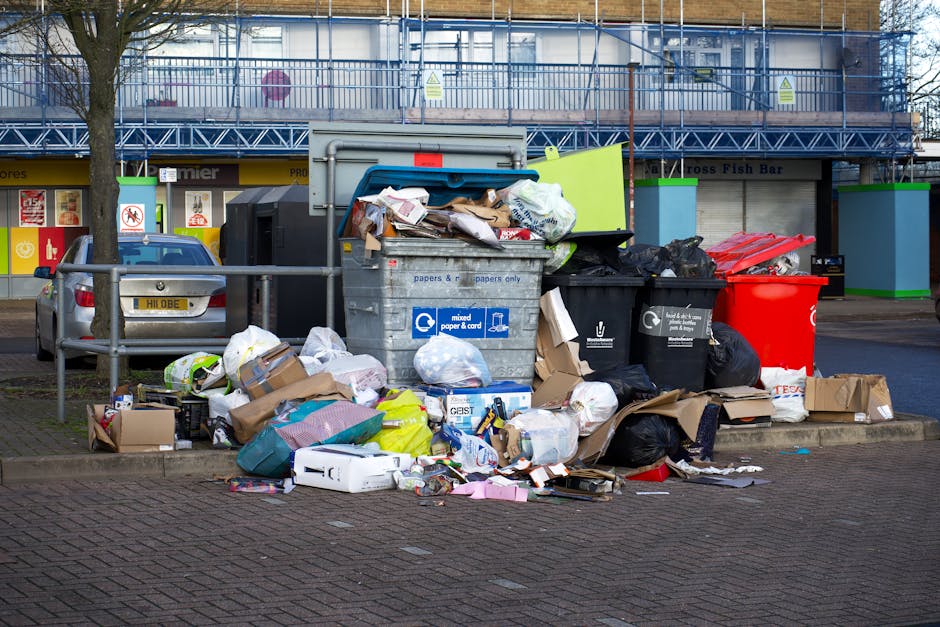
W11 has a very particular rhythm. There are tight streets, controlled parking, busy periods around Portobello Road, and a constant mix of flats, terraces, studios, and short-let properties. That means rubbish removal is not just about "getting rid of stuff"; it is about timing the collection so it fits the day, the building, and the neighbourhood. A rushed booking can be fine in one scenario and a complete headache in another. Truth be told, the difference between same-day and next-day is often less about speed and more about control.
Same-day collection tends to suit people dealing with urgent mess, last-minute tenant changeovers, estate agent viewings, or builders who have filled a room faster than expected. Next-day collection is often the calmer choice when you can organise access, sort the waste properly, and avoid paying for unnecessary urgency. Both have a place. The trick is knowing which one solves your problem rather than creating a new one.
There is also a local angle. If you are disposing of bulky items, mixed waste, or post-renovation debris, you may need to think about sorting, safety, and possible permits or access restrictions. For example, a sofa in a second-floor Ladbroke Grove flat is a very different job from a few bags of loft clutter in a ground-floor property. If that sounds familiar, you may also want to read about flat clearance tips near Notting Hill and the guide to sofa collection costs and pitfalls in Notting Hill.
How Compare same-day vs next-day rubbish collection in W11 Works
In practical terms, same-day and next-day rubbish collection follow a similar process. You contact the clearance provider, describe the waste, share access details, and receive a time slot. The main difference is the lead time. Same-day means the job is usually arranged and carried out within the same calendar day, subject to availability. Next-day means the collection is scheduled for the following day, which gives both sides a little more breathing room.
That breathing room matters. With next-day collection, you can send photos, confirm the load size, move items to a safe pick-up point, and clear hallways so the team can work quickly. With same-day, you often need to make decisions faster. That can be useful, but it can also expose weak planning. If the access is tricky, the waste is larger than expected, or the property is still occupied, the quicker option may not feel so quick by the time everyone is standing around deciding where the wardrobe will fit.
In W11, the practicalities usually come down to three things:
- Access: stairs, lifts, narrow hallways, garden gates, loading bays, and parking.
- Waste type: general rubbish, bulky furniture, builders' waste, garden cuttings, or potentially hazardous items.
- Time pressure: end-of-tenancy deadlines, viewing appointments, tradespeople arriving, or council-related concerns.
Next-day collection gives you more time to prepare properly. Same-day collection gives you a faster clean-up when the mess cannot wait. That is the core trade-off, really.
Key Benefits and Practical Advantages
When people compare same-day and next-day rubbish collection, they often focus only on speed. Fair enough, speed is important. But there are other gains and trade-offs worth considering.
Same-day collection: where it shines
Same-day collection is strongest when the waste is causing an immediate problem. Maybe you have just finished a mini renovation and the hallway is crammed with plasterboard offcuts. Maybe a tenant has left a load of furniture behind and the next viewer is arriving at 4pm. In those moments, same-day service can be a lifesaver.
- Immediate relief: clutter goes quickly, which reduces stress.
- Better for emergencies: ideal when deadlines are already tight.
- Less disruption later: you do not have to keep living around the rubbish.
- Useful for urgent access issues: if a room or pathway needs clearing before someone can work safely, speed matters.
Next-day collection: where it often wins
Next-day collection tends to be the smarter option when you want a cleaner, better organised job. It is easier to group items, label what is going, and double-check whether anything should be reused, donated, or kept aside. You may also find that it feels less frantic. A night's sleep before the crew arrives can do wonders.
- Better preparation: time to sort waste and remove personal items.
- Clearer pricing discussions: photos and waste descriptions tend to be more accurate.
- Reduced chance of mistakes: fewer items get left behind by accident.
- Often more relaxed logistics: parking, access, and lift bookings can be organised properly.
To be fair, next-day can also suit people who want the work done quickly but not chaotically. That is a subtle difference, yet an important one. Quick is not always the same as rushed.
Who This Is For and When It Makes Sense
This comparison matters most if you are living or working in W11 and need to choose between urgency and flexibility. Different situations lean one way or the other.
Same-day rubbish collection is often best for:
- End-of-tenancy clearances with an immovable deadline
- Last-minute landlord, agent, or buyer visits
- Unexpected waste after builders finish early
- Office clear-outs where desks, packaging, or old equipment must disappear fast
- Bulky items blocking access, such as a sofa, mattress, or broken wardrobe
Next-day rubbish collection is often best for:
- Routine decluttering with no real deadline
- Carefully planned house, loft, or garage clearances
- Jobs where waste needs sorting first
- Situations where neighbours, building rules, or lift bookings need a bit of coordination
- People who want time to compare the load and avoid paying for last-minute urgency
We often see the same pattern: the more complex the job, the more next-day makes sense. The more urgent the problem, the more same-day begins to pull ahead. Simple enough on paper. In a real Notting Hill mews or top-floor flat, though, the answer can change once you look at the stairs, the parking, and the exact pile of rubbish in front of you.
If your job is tied to a home move, it can also help to understand wider local property pressures and timing. The Notting Hill property market and buying tips for Notting Hill both underline how quickly schedules can get compressed around property changes.
Step-by-Step Guidance
If you are not sure how to choose, use this practical process. It is straightforward, and it saves a lot of back-and-forth.
- Identify the deadline. Ask yourself what is forcing the collection: a move, a viewing, a repair, a tenancy handover, or simply the need to reclaim space.
- Check the waste type. Separate general rubbish from furniture, builders' waste, garden material, and anything that may need special handling.
- Estimate the volume. Think in terms of bags, items, and room space rather than just "a bit of rubbish". That vague phrase has caused many a misunderstanding.
- Review access. Note stairs, lift restrictions, parking limitations, and whether someone needs to be present.
- Decide how much prep time you need. If you need to sort, photograph, or move items first, next-day may be the better fit.
- Request a clear quote. Share accurate photos or a full description so the collection can be costed properly.
- Confirm the collection window. Make sure the team knows about entry codes, parking issues, and any timing constraints.
- Prepare the site. Keep walkways clear, separate restricted items, and make sure anything personal is removed.
That last step is easy to overlook. Someone clears the hallway, then realises a passport, lease document, or charger was tucked into the same pile. Annoying? Very. Avoidable? Absolutely.
Expert Tips for Better Results
After enough clearances, a few patterns show up again and again. The difference between a smooth job and a messy one is usually decided before the truck arrives.
1. Choose same-day only when speed is the real priority
If you are merely "keen to get it done", that is not always a same-day reason. Use the urgent option when a delay would genuinely create a problem. Otherwise, next-day gives you more control for less pressure.
2. Send photos, not just descriptions
"A few bits" can mean very different things to different people. A couple of clear photos often help more than paragraphs of explanation. They also reduce the risk of a pricing mismatch when the team arrives.
3. Put awkward items first in your thinking
The heavy sofa, broken bed frame, wardrobe carcass, or pile of builders' rubble usually dictates the job. Smaller bags matter, but large or awkward items drive the logistics. If you are dealing with a couch, it may be worth checking the bulky waste guide for Westbourne Grove.
4. Keep the pathway clear
This sounds basic because it is basic. Still, people forget. Shoes in the hall, plant pots by the gate, bikes in the passageway - all of it slows the crew down. In a tight W11 property, every metre counts.
5. Think about neighbours and building rules
Shared buildings can be awkward. Noise, lift bookings, and access restrictions can all affect whether same-day is realistic. Next-day often gives you time to let people know what is happening, which can save a grumble or two.
6. Do not ignore recycling and reuse
Not everything needs to become landfill-bound waste. If some items can be reused or separated for recycling, that is usually better for both the environment and your own sense of order. A good clearance plan should make room for that.

Common Mistakes to Avoid
Here is where people get caught out. Not always badly, but enough to turn a manageable job into a stressful one.
- Choosing same-day before checking access: if parking or lift arrangements are uncertain, the job can get delayed anyway.
- Underestimating waste volume: a corner full of bags is often more than it looks like.
- Mixing risky items with normal rubbish: some items need special handling, and it is better to flag them early.
- Leaving sorting until the last minute: next-day is great when used well. Not so great if nothing is ready by morning.
- Assuming the cheapest option is the best: low quotes can hide limits, extra labour, or excluded items.
- Forgetting about building rules: especially in apartment blocks, one missed detail can cause a surprising amount of friction.
One small but common slip: people book a clearance for "a sofa and some bags", then quietly add a cupboard, a mattress, a broken desk, and half a shed's worth of garden waste. That is no longer the same job. Happens all the time.
Tools, Resources and Recommendations
You do not need a complicated toolkit to make the right decision. A few practical aids make the process much easier.
- Phone camera: take clear photos from a few angles.
- Notepad or phone notes: list items by room so nothing is missed.
- Tape measure: handy for large furniture or awkward stair turns.
- Labels or markers: useful if you are separating keep, donate, recycle, and remove piles.
- Calendar reminders: if the collection is tied to a tenancy, move, or contractor visit, timing matters more than you think.
For local context, these pages can help you understand the wider service landscape without overcomplicating things: rubbish collection in Notting Hill, waste clearance in Notting Hill, and furniture disposal in Notting Hill. If your job is tied to a full property clean-out, house clearance or loft clearance may be more relevant than a simple one-off collection.
Law, Compliance, Standards, or Best Practice
When rubbish collection is involved, compliance is not something to leave vague. You do not need to become an expert in regulations overnight, but you should know the basics. In the UK, waste must be handled responsibly, and anyone removing it should be able to do so lawfully and safely. If you are hiring a provider, it is sensible to ask how waste is managed, whether items are sorted for recycling where practical, and how they handle anything that is not ordinary household rubbish.
There is also a practical duty of care on your side: do not dump waste in a way that creates hazards, blocks exits, or risks fly-tipping. That may sound obvious, but in a hurry people sometimes leave bags beside the pavement or in a communal area "just for a bit". That bit can turn into a complaint or a fine. If you want a deeper look at this issue, the article on avoiding fly-tipping fines in Notting Hill is worth your time.
Some items also need extra care. If you are unsure whether something counts as hazardous waste, it is better to ask before collection. That is especially true for things like chemicals, certain electricals, or materials that may leak, break, or contaminate other items. The safer approach is simply to separate anything doubtful and get clarity early. A bit of caution now saves a lot of nonsense later.
For broader background on safety and responsible working practices, see the page on insurance and safety.
Options, Methods, or Comparison Table
Here is a straightforward comparison of same-day and next-day rubbish collection in W11. It is not one-size-fits-all, but it does help to see the trade-offs side by side.
| Factor | Same-day rubbish collection | Next-day rubbish collection |
|---|---|---|
| Speed | Fastest option for urgent situations | Still quick, but less immediate |
| Planning time | Limited | Better for sorting, photos, and access arrangements |
| Best for | Deadlines, emergencies, last-minute clearances | Routine jobs, organised clear-outs, careful preparation |
| Stress level | Can feel rushed | Usually calmer and more controlled |
| Cost predictability | May be more sensitive to urgency and availability | Often easier to compare and plan |
| Access issues | Less room to solve them | More time to sort parking, lifts, and building rules |
| Risk of mistakes | Higher if the waste list is incomplete | Lower if you use the time well |
If you are deciding purely on convenience, same-day usually feels stronger. If you are deciding on accuracy, next-day often comes out on top. That is the simplest honest answer.
Case Study or Real-World Example
Consider a typical W11 flat clearance. A tenant has moved out of a two-bedroom maisonette near Portobello Road, and the landlord needs the space ready for a cleaner and photographer the next morning. The flat has a sofa, a mattress, two broken shelving units, bags of mixed clutter, and a couple of small electrical items. The hallway is narrow, the parking is tight, and the building has shared access.
In that situation, same-day collection could work if the waste is already sorted and the team can get access quickly. But if nobody has measured the sofa, checked the lift, or confirmed where the items are being left, same-day becomes risky. A next-day booking would give the organiser time to photograph the items, separate anything reusable, clear the route to the front door, and warn the neighbours about a short period of movement in the stairwell.
Now flip the scenario. The same flat is due to be handed back that afternoon, and the landlord has just discovered abandoned furniture blocking the living room. There is no time for a relaxed plan. In that case, same-day rubbish collection is the better call. The point is not that one is better in theory. It is that the right option depends on what happens if the waste stays put for another twenty-four hours. That question usually answers itself.
Practical Checklist
Use this checklist before you book. It keeps the process simple, and simple is good when you are already juggling a move or a clearance.
- Have I got a real deadline, or am I just in a hurry?
- Do I know exactly what is being collected?
- Have I separated anything valuable, personal, or reusable?
- Do I understand whether any item may need special handling?
- Are photos available for an accurate quote?
- Have I checked access, stairs, parking, and any building restrictions?
- Is the pathway clear for the collection team?
- Do I need same-day, or would next-day be calmer and cheaper in practice?
- Have I reviewed any related items like furniture, loft contents, or builders' waste?
- Am I happy with how the waste will be handled after collection?
If you are working through a renovation, it can also help to review builders' waste disposal in Notting Hill. For a larger property clear-out, office clearance or a fuller house clearance may fit better than a simple rubbish collection. And if garden waste is part of the job, garden waste removal is worth checking too.
Conclusion
When you compare same-day vs next-day rubbish collection in W11, the real decision is about urgency versus preparation. Same-day is the sharper tool: fast, effective, and ideal when delay would create real problems. Next-day is the steadier choice: easier to plan, easier to cost, and often better for more complex clearances.
If your waste is simple, access is straightforward, and you genuinely need speed, same-day can be the right move. If the job involves bulky furniture, mixed items, shared access, or a bit of sorting first, next-day usually gives you a smoother experience. Neither option is automatically better. The better one is the one that fits your space, your deadline, and your headspace. And honestly, headspace matters more than people admit.
Get a free quote today and see how much you can save.
Whatever you choose, the best result is the one that clears the clutter without leaving you with another problem to solve. A good collection should feel like relief, not another item on the list.
 Tipper Van - Rubbish Removal and Waste Removal Prices in Notting Hill, W10
 Luton Van - Rubbish Removal and Waste Removal Prices in Notting Hill, W10

